
How Interior Auto Detailing Protects Your Family From Illness

The inside of a family vehicle can collect a lot more than toys, receipts, and snack crumbs. Every school pickup, grocery run, beach day, sports practice, and drive to work brings in dirt, sweat, pollen, food residue, and germs from hands, shoes, bags, and car seats.
For families around Honolulu, Pearl City, Schofield Barracks, and Wheeler, vehicles often double as dining rooms, changing areas, storage spaces, and kid transport. That makes a clean cabin more than a matter of appearance. A well-detailed interior can help reduce the buildup that allows odors, allergens, bacteria, and grime to linger.
This article is for general information only. It is not medical advice, and detailing cannot prevent every illness. It can, though, support a cleaner environment for the people who ride with you every day.
Germs build up fast in places families touch most
Children touch almost everything inside a vehicle. Door handles, seat belts, cup holders, touchscreens, window switches, armrests, and car seat buckles all see constant use. Adults touch the same areas after pumping gas, shopping, handling money, or carrying bags.
Those high-touch zones can collect residue from hands, food, drinks, sunscreen, and outdoor surfaces. When they are not cleaned regularly, that buildup becomes sticky. Sticky surfaces hold more dust and grime, which makes the cabin look dull and feel less fresh.
A quality detail focuses on these areas instead of giving the car a quick wipe. Common touchpoints get cleaned in a careful order so dirt is removed rather than spread around. This matters for families because small hands move from surfaces to faces quickly, especially with younger children.
Interior Detailing can include cleaning and sanitizing hard surfaces, removing debris from tight spaces, vacuuming seams, and treating areas that daily cleaning often misses.
Food crumbs and spills can attract more than bad smells
A cracker in the seat track or a spilled smoothie under a child seat may seem harmless at first. Over time, food residue can feed odor-causing bacteria and attract pests. Warm interiors make the problem worse, especially in humid climates.
Family vehicles often have hidden messes in places that are hard to reach:
Under booster seats and car seats
Between seat cushions
Inside cup holders
Under floor mats
In trunk storage areas
Around seat rails and console gaps
Once spills soak into fabric, they can leave behind sugars, oils, and proteins. Those substances may cause sour smells and stains. More important, they create a dirtier area where microbes can remain longer than they would on a dry, clean surface.
Professional cleaning helps remove the source instead of masking the odor with fragrance. The goal is not just a car that smells better. The goal is a cabin that has less leftover organic material trapped in the seats, carpets, and crevices.

Clean fabrics help reduce allergens and irritation
Seats, carpets, and floor mats act like filters. They trap dust, pollen, sand, pet dander, dead skin cells, and other particles that get carried in from daily life. In Hawaii, sand and outdoor debris can build up quickly after beach trips, parks, and humid weather.
When kids climb in and out, those particles get stirred back into the air. Family members with allergies, asthma, or sensitive skin may notice irritation when the cabin stays dusty or damp. Detailing does not replace medical care, but it can help reduce common irritants in the vehicle.
Vacuuming is a good start, but deep fabric cleaning reaches farther. Seat Shampooing helps lift embedded dirt from cloth seats and stained areas. When done correctly, it removes residue from the fabric and extracts moisture so the surface can dry properly.
Drying matters. Leaving fabric too wet can create musty odors and may contribute to mildew. A trained detailer uses the right amount of cleaner, agitation, extraction, and airflow to clean without soaking the interior.
Child car seats need special attention
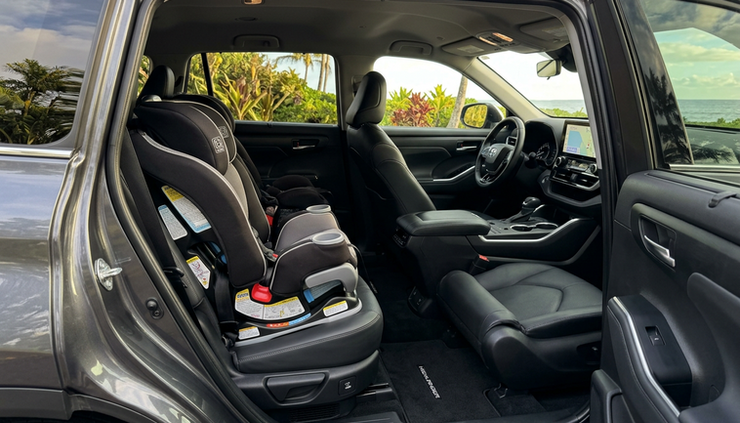
Child car seats collect crumbs, milk, juice, sweat, sunscreen, and whatever comes home from school or daycare. They also have straps, buckles, pads, and narrow seams where debris gets trapped.
Car seats should be cleaned carefully because harsh chemicals or improper washing can affect materials. Always follow the car seat manufacturer’s cleaning instructions. Some parts can be removed and washed. Others should only be wiped with mild soap and water.
A good detailer can clean around and under car seats, but parents should avoid letting anyone use strong chemicals on harness straps or safety components unless the manufacturer permits it. The safest approach is to remove the car seat, clean the vehicle seat underneath, then reinstall the car seat correctly.
For military families and busy households, this step is easy to overlook. Still, a child seat area can be one of the dirtiest zones in the vehicle because it rarely gets exposed during routine cleaning.

Air quality inside the cabin starts with clean surfaces
A dirty interior affects more than what people touch. Dust on vents, floors, mats, and upholstery can circulate through the cabin as air moves. If the vehicle has lingering food odors, pet smells, or mildew-like scents, the ride can feel stale even after rolling the windows down.
Detailing helps by removing the material that creates those smells. Cleaning vents, wiping surfaces, vacuuming thoroughly, washing mats, and treating fabrics all support a fresher cabin.
Cabin air filters also play a role. A detail is a good time to check whether the filter needs replacement, especially if the air smells musty or airflow feels weak. The filter is usually a maintenance item, not a cosmetic one, but it works together with a clean interior.
Think of it this way. If the cabin has dirty carpets and dusty vents, clean air has to pass through a messy space. If the interior is clean, the whole ride feels better.
Detailing also supports better daily cleaning habits
One of the most useful parts of a full detail is the reset it gives your vehicle. Once the interior is clean, it becomes easier to keep it that way.
Families can help maintain the results with simple habits:
Keep a small trash bag in the vehicle
Wipe cup holders after sticky drinks
Shake out floor mats once a week
Vacuum after beach trips or sports practices
Remove snacks and lunch items at the end of the day
Clean spills as soon as possible
These steps do not replace deeper cleaning, but they slow down grime buildup. They also make the next detail more effective because heavy residue has not had as much time to settle into fabrics.

A cleaner car is one more layer of family protection
Interior auto detailing will not make a vehicle germ-free forever. Kids will still snack in the back seat. Shoes will still bring in dirt. Humidity, pollen, and everyday errands will still leave their mark.
The value is in reducing what builds up over time. A proper detail removes hidden debris, cleans high-touch surfaces, lifts stains, cuts odors at the source, and helps reduce particles that can irritate the people riding inside.
For families, especially those with young children, pets, allergies, or long daily commutes, that cleaner cabin can make every ride feel safer and more comfortable. A healthy home routine should include the place where the family spends so much time together: the car.


Comments