
Does Your Boat Need Wax to Stay Protected and Shiny

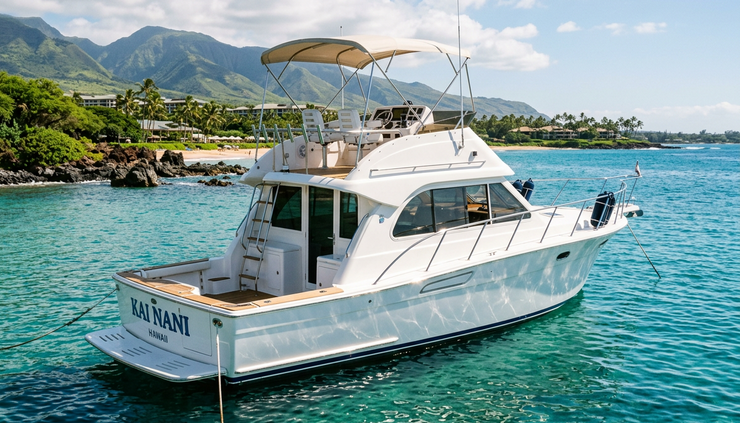
Salt, sun, and water do not go easy on a boat. A hull that looked glossy in spring can turn dull, chalky, or stained after months of use, especially around Hawaii, where UV exposure and salt spray are constant. Wax is one of the simplest ways to keep that finish looking clean and protected, but it is not always the whole answer.
So, does your boat need wax? In most cases, yes, especially if it has gelcoat, painted fiberglass, or polished metal areas that sit in the sun. The right wax helps protect the surface, improve shine, and make regular washing easier.
What boat wax actually does
Boat wax creates a thin protective layer over the surface. On fiberglass boats, that usually means protecting the gelcoat. Gelcoat is durable, but it is not invincible. UV rays, salt, fish blood, bird droppings, hard water, and grime can slowly break down the surface.
A good wax helps by:
Adding UV protection It slows sun damage that leads to fading and oxidation.
Improving water beading Water rolls off more easily, which can reduce spotting.
Making dirt harder to stick Salt and grime wash away faster when the surface is slick.
Restoring gloss Wax can bring back shine after a proper wash and polish.
Wax does not repair deep scratches, heavy oxidation, or failing paint. If the boat already looks chalky, wax alone may only make it look better for a short time. The surface usually needs cleaning, compounding, or polishing before wax can do its job.
Signs your boat needs wax
A boat does not need to look terrible before it needs attention. Small changes usually show up first.
Look for these signs:
Water no longer beads on the surface
The hull feels rough after washing
The color looks flat or faded
White gelcoat leaves a chalky residue on your hand
Salt stains return quickly after cleaning
The shine disappears a few days after washing
A simple touch test helps. After washing and drying the boat, run your hand over the hull or topside. A protected surface should feel smooth and slick. If it feels dry, grabby, or slightly gritty, the protection is wearing down.

Wax matters more in saltwater and strong sun
Boats used around Honolulu, Pearl City, Waialua, and the North Shore deal with tough conditions. Salt dries on the surface, trade winds push grit across the finish, and the sun can be intense for much of the year. Even boats stored at marinas or near military housing areas around Central Oahu can pick up salt film from the air.
That does not mean the boat needs wax every weekend. It does mean protection should be part of routine maintenance.
For many recreational boats, waxing every few months is a practical starting point. Boats stored outdoors, used often, or kept near saltwater may need attention more often. Boats stored indoors or under a quality cover may go longer between applications.
The best schedule comes from the surface itself. If water stops beading and the finish loses slickness, it is time.
Wax, polish, and compound are not the same thing
This is where many boat owners get confused. Wax, polish, and compound each do a different job.
Product | Main purpose | When to use it |
Compound | Removes heavier oxidation and surface defects | When gelcoat looks chalky or badly faded |
Polish | Refines the surface and improves gloss | When the boat needs shine before protection |
Wax | Adds a protective layer | After cleaning or polishing the surface |
Wax should usually be the final step. If the surface is oxidized, waxing over it can trap dullness under a temporary shine. The boat may look better for a few days, then fade again.
A proper detailing process often looks like this:
Wash the boat thoroughly.
Remove stains or oxidation as needed.
Polish to improve clarity and gloss.
Apply wax or sealant for protection.
That order matters. Protection works best on a clean, smooth surface.
Should you choose wax, sealant, or ceramic coating
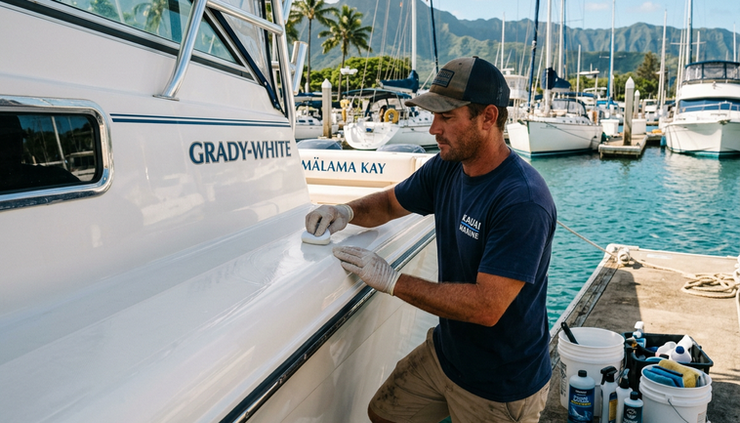
Traditional marine wax is popular because it is easy to apply, gives a warm shine, and works well on many fiberglass boats. It is a good choice for owners who wash often and want a straightforward layer of protection.
Synthetic sealants usually last longer than natural waxes. They can create a slick, glossy finish and hold up better against UV exposure and salt. For many boats, a sealant is a practical upgrade.
Ceramic coatings offer stronger, longer-lasting protection when applied correctly. They can make cleaning easier and resist staining better than basic wax. The tradeoff is prep work. Ceramic coatings need a clean, corrected surface, and poor application can leave streaks or high spots.
For most boat detailing needs, the choice comes down to condition, budget, and expectations:
Choose wax for regular maintenance and a simple gloss boost.
Choose sealant for longer protection with easier upkeep.
Choose ceramic coating when the boat is fully prepped and longer-term protection is the goal.
Wax is not outdated. It just has limits.
How to make boat wax last longer
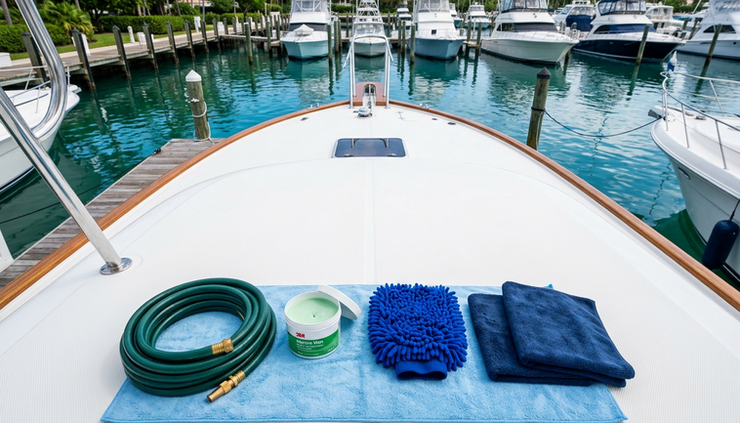
Good washing habits can stretch the life of any protective layer. Harsh cleaners can strip wax faster, and scrubbing with dirty brushes can dull the finish.
To help wax last:
Rinse salt off after each outing when possible.
Use a boat-safe wash soap.
Avoid household detergents.
Dry the surface to reduce water spots.
Keep the boat covered when it is not in use.
Remove bird droppings, fish residue, and fuel spills quickly.
The cleaner the surface stays, the less work the wax has to do.
The clear answer
Yes, your boat likely needs wax if you want it to stay protected and shiny. Wax helps guard against sun, salt, water spots, and everyday grime. It also gives fiberglass and gelcoat the glossy finish most boat owners want.
The key is knowing when wax is enough. If the boat still looks clean and smooth, wax can maintain the finish. If it looks chalky, faded, or rough, the surface needs prep before protection.
A shiny boat is not just about looks. It is easier to clean, easier to maintain, and better protected from the conditions it faces every time it leaves the dock.



Comments